
Stepping onto the tournament court for the first time can feel overwhelming. The energy is different, the stakes are higher, and suddenly every shot matters more than it did during casual play.
But here’s the thing - with proper pickleball tournament preparation, you’ll walk onto that court feeling confident and ready to compete. Let’s break down exactly what you need to know to make your tournament debut a success.
Understanding Tournament Formats
Before you register for your first tournament, you need to understand how these events actually work. Most players jump in blindly and end up confused or disappointed.
Tournament Divisions and Skill Levels

Tournaments typically offer divisions ranging from 3.0 to 5.0+, with some including beginner-friendly 2.5 categories. Here’s what separates these levels:
- 3.0-3.5: Consistent serves, basic strategy, some third shot drops - 4.0: Strong fundamentals, strategic play, reliable dinking - 4.5+: Advanced shot selection, court positioning mastery, mental toughness
Pro tip: If you’re between skill levels, start with the lower division. It’s better to dominate and build confidence than get overwhelmed.
Competition Categories
Most tournaments offer three main formats:
Singles: Pure individual competition testing your fitness and shot-making ability. Expect longer rallies and more court coverage.
Doubles: The most popular format focusing on teamwork, positioning, and strategic play. Perfect for developing skills.
Mixed Doubles: Men and women partnered together, often with modified rules or court positioning strategies.
Registration Requirements
Research tournament requirements early. Most events require:
- Verified skill rating (UTPR, DUPR, or tournament director assessment) - Registration fees paid in advance - Waiver and insurance documentation - Age verification for age-group divisions
Essential Tournament Equipment Checklist
Nothing ruins a tournament faster than equipment failure or forgetting crucial items. Your gear preparation can make or break your performance.
Paddle and Backup Equipment
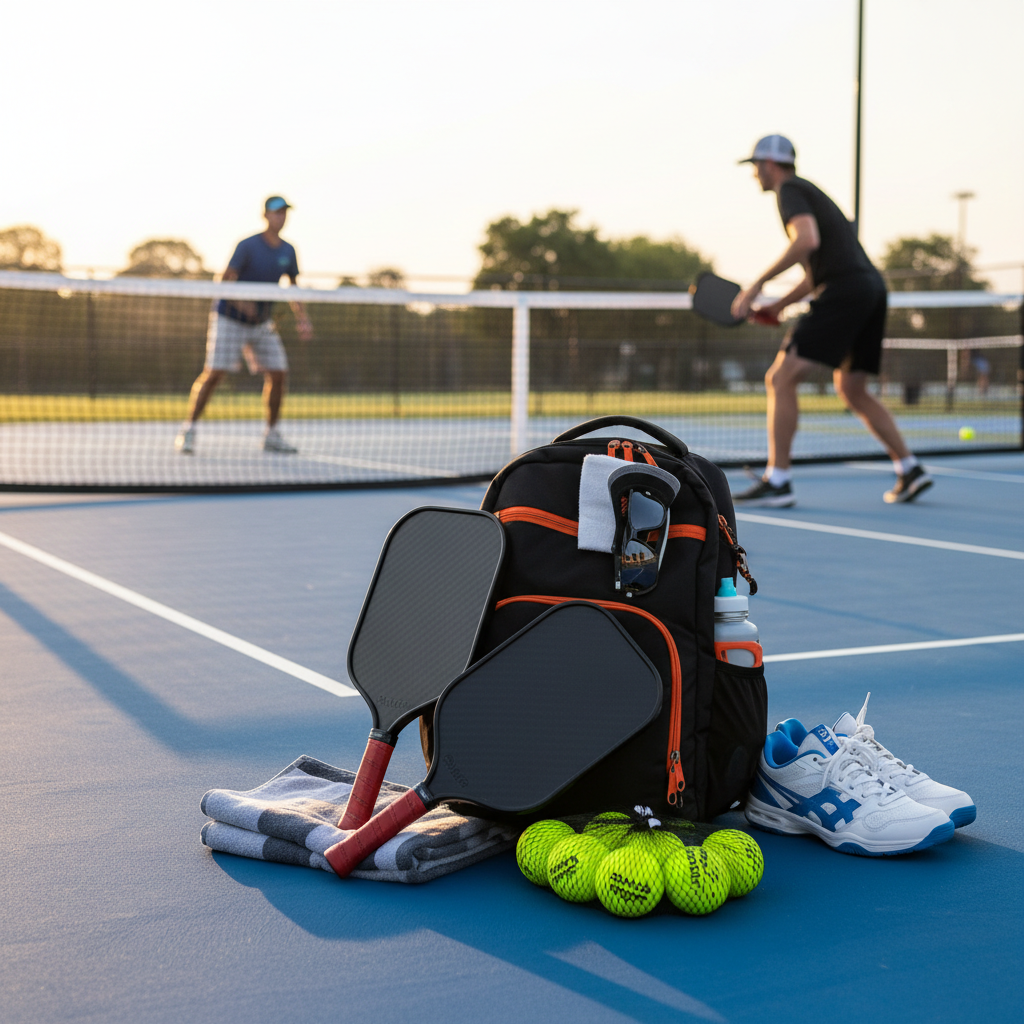
Pack at least two paddles - identical models if possible. Your backup should feel exactly like your primary paddle, not some random spare you found in your garage.
Include fresh grips or overgrips. Tournament play means sweaty hands, and grip failure leads to missed shots and frustration.
Bring extra balls for warm-up, though tournaments typically provide official balls for matches.
First Aid and Blister Prevention
Tournament play is more intense than casual games. Pack:
- Blister prevention tape and bandages - Anti-inflammatory medication - Ice packs or instant cold compress - Athletic tape for minor injuries - Personal medications
Clothing and Weather Preparation
Pack layers for temperature changes throughout the day. Morning matches might be cool while afternoon play gets hot.
Include:
- Moisture-wicking shirts (pack extras) - Comfortable shorts with secure pockets - Quality court shoes with good traction - Hat and sunglasses for outdoor tournaments - Light jacket or warm-up gear
Hydration and Nutrition Supplies
Tournaments drain your energy faster than regular play. Proper nutrition becomes crucial for maintaining performance across multiple matches.
Bring electrolyte drinks, not just water. Pack easy-to-digest snacks like bananas, energy bars, or trail mix.
Physical Conditioning and Warm-Up Strategies
Your body needs to be tournament-ready, which means more than just playing recreational games twice a week.
Pre-Tournament Training Routine
Start your tournament preparation at least 2-3 weeks early. Focus on match-specific conditioning rather than general fitness.
Practice playing multiple games in succession with minimal rest. Tournament days often require 3-4 matches with short breaks between.
Work on your since tournament nerves often affect movement first.
Tournament-Style Practice
Simulate tournament pressure during practice. Play games where every point matters, keep official score, and practice your between-point routines.
Practice your serves under pressure. Tournament nerves commonly cause service faults, so make serving automatic through repetition.
Dynamic Warm-Up Sequence
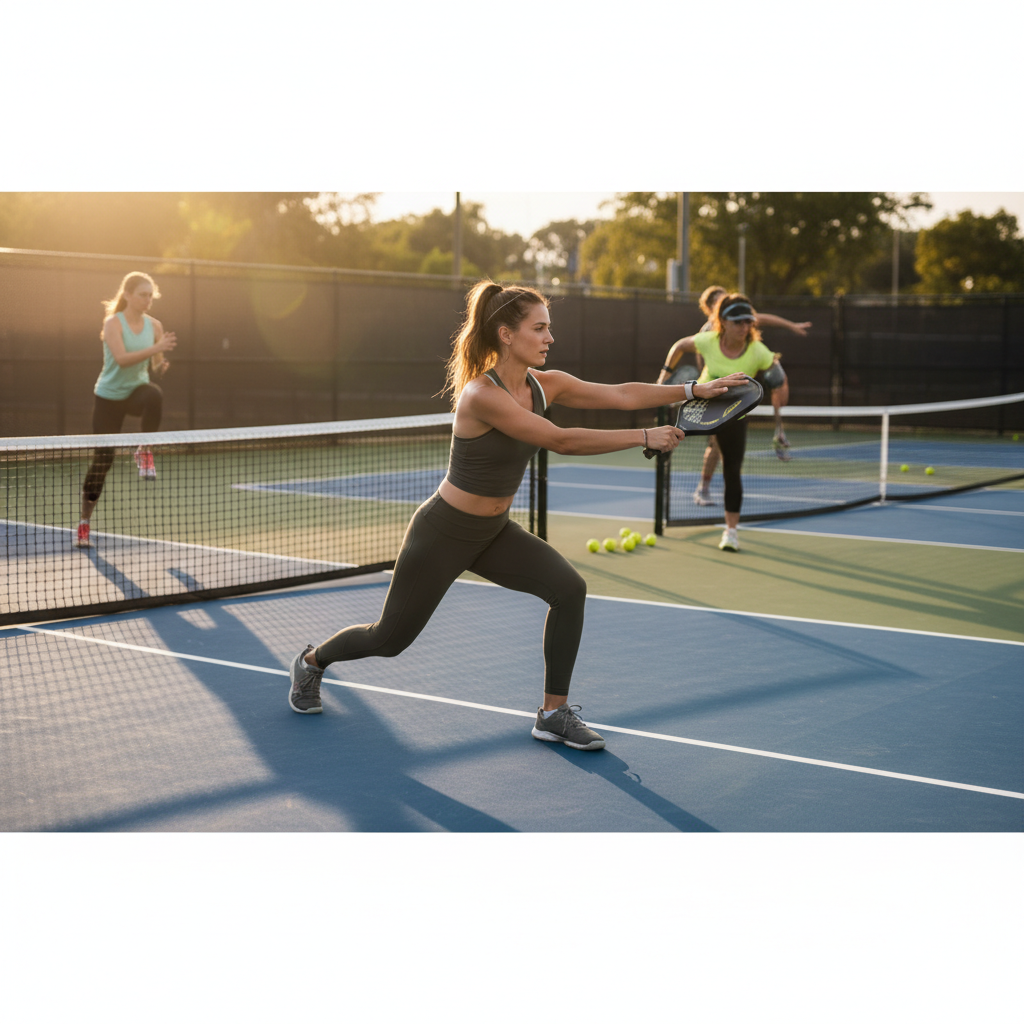
Develop a consistent 10-15 minute warm-up routine you can repeat before every match:
- Light jogging or walking to increase heart rate 2. Arm circles and shoulder stretches 3. Hip circles and leg swings 4. Practice swings without a ball 5. Gradual hitting progression from soft to full power
Injury Prevention Focus
Tournament play increases injury risk due to intensity and extended play time. Focus on:
- Ankle stability exercises - Shoulder and rotator cuff strengthening - Core stability work - Proper stretching routine post-play
Mental Preparation and Tournament Mindset
This is where most first-time tournament players struggle. The mental game becomes exponentially more important in competitive play.
Pre-Match Visualization
Spend 5-10 minutes before each match visualizing successful shots and positive outcomes. See yourself executing your best serves, hitting clean winners, and staying calm under pressure.
Visualize challenging scenarios too - coming back from behind, handling bad line calls, or dealing with difficult opponents.
Mental Reset Strategies
Develop a consistent routine for resetting between points. This might include:
- Deep breathing techniques - Positive self-talk phrases - Physical cues like adjusting your strings or bouncing the ball
Practice these resets during casual play so they become automatic under pressure.
Managing Competitive Stress
Tournament nerves are normal and can actually enhance performance when managed properly. The key is channeling that energy productively.
Focus on process goals rather than outcome goals. Instead of “I need to win this match,” think “I need to hit my serves deep and move my feet well.”
Building Confidence Routines
Create pre-match rituals that make you feel prepared and confident. This might include reviewing your game plan, listening to specific music, or doing particular stretches.
Remember your best shots and successful matches. Confidence comes from evidence of your abilities, so remind yourself what you can do well.
Tournament Day Strategy and Match Management
Tournament day brings unique challenges that recreational play doesn’t prepare you for.
Understanding Tournament Scheduling
Arrive early to understand the bracket and timing. Know when your matches are scheduled and how much time you have between games.
Most tournaments use pool play followed by elimination brackets. Understand that early losses don’t necessarily eliminate you.
Energy Conservation Techniques
Tournament success often comes down to who maintains energy best throughout the day. Here’s how to conserve:
- Move efficiently between points - Use timeouts strategically for rest, not just strategy - Stay in shade between matches when possible - Avoid unnecessary practice hitting between games
Between-Game Recovery
Master the art of quick recovery between games and matches:
- Hydrate immediately after each game - Eat small amounts consistently rather than large meals - Use light stretching to prevent stiffness - Stay mentally engaged but relaxed
Strategic Timeout Usage
Timeouts aren’t just for when you’re losing. Use them to:
- Break opponent momentum - Discuss strategy with your partner - Give yourself a mental reset - Slow down the pace when opponents are in rhythm
Recovery and Post-Tournament Analysis
What you do after the tournament is just as important as your preparation before it.
Immediate Post-Match Recovery
Start recovery immediately after your final match:
- Rehydrate aggressively - Stretch major muscle groups - Ice any sore joints or muscles - Eat protein and carbohydrates within 30 minutes
Performance Self-Assessment
Within 24 hours, conduct an honest assessment of your tournament performance. What worked well? What needs improvement?
Focus on patterns rather than individual points. Did you struggle with serves under pressure? Were your third shots consistently short?
Identifying Improvement Areas
Create a specific practice plan based on tournament weaknesses. If you struggled with under pressure, that becomes your focus.
Don’t try to fix everything at once. Choose 1-2 specific areas for improvement before your next tournament.
Documentation for Future Tournaments
Keep a tournament journal noting:
- Equipment that worked well or caused problems - Nutrition and hydration strategies that were effective - Mental strategies that helped or hindered performance - Specific opponents’ styles and how you handled them
Common First-Time Tournament Mistakes to Avoid
Most new tournament players make predictable errors that hurt their performance:
Over-practicing on tournament day: Light warm-up is enough. Save your energy for matches.
Changing equipment or strategy: Stick with what you know. Tournaments aren’t the time to experiment.
Focusing on opponents instead of your game: Control what you can control - your preparation, attitude, and effort.
Getting caught up in bad line calls: They happen. Move on quickly and don’t let them affect your mindset.
Neglecting nutrition and hydration: Tournament play demands more fuel than casual games.
Frequently Asked Questions
How do I choose the right tournament division?
Start one level below where you think you belong. If you consistently win at 3.5 recreational play, enter 3.0 tournaments initially. Success builds confidence, and you can always move up for future events.
What should I eat before and during a tournament?
Eat a substantial breakfast 2-3 hours before your first match - something familiar that you know agrees with your stomach. During the tournament, focus on easily digestible carbohydrates and maintain steady hydration. Avoid trying new foods or drinks on tournament day.
How can I manage tournament nerves?
Nerves are normal and can actually improve performance when channeled properly. Focus on your preparation routine, take deep breaths, and remember that everyone else is nervous too. Use positive self-talk and remind yourself why you enjoy playing pickleball.
What are common first-time tournament mistakes?
The biggest mistakes are over-thinking strategy, changing your normal game style, and focusing too much on winning instead of playing well. Stick to your strengths, maintain your regular routines, and treat each point as an opportunity to execute what you’ve practiced.
How do I effectively warm up before matches?
Start with 5 minutes of light movement to increase your heart rate, then progress through dynamic stretches focusing on shoulders, hips, and ankles. Spend 5-10 minutes hitting balls, starting soft and gradually increasing intensity. End with practice serves and a few hard shots to feel confident and ready.
Proper pickleball tournament preparation transforms nervous energy into confident performance. Start with these fundamentals, gain experience, and remember that every tournament teaches you something valuable for the next one.